Selecting a career may require you to know the nature of the job. The assumption that related jobs have the same description is easily made especially in the field of medicine. A Nurse Practitioner is also known as an Advanced Practice Registered Nurse (APRN). Some of their work cannot be done by nurses. NPs have different work depending on the field they specialize on. Let us look at the general job duties and that of their specializations.
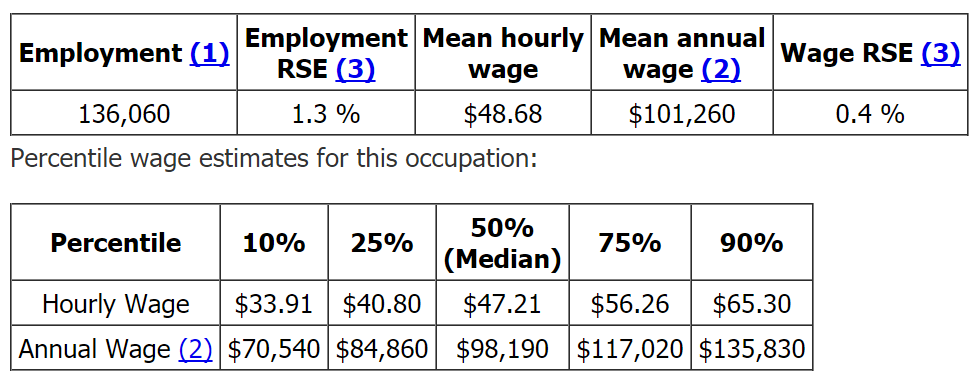
Table Of Contents:
- Nurse Practitioner Salary
- Nurse Practitioner Employment Outlook
- How To Become A Nurse Practitioner
- Nurse Practitioner Job Description
How Much Does A Nurse Practitioner Make In Prairie View?
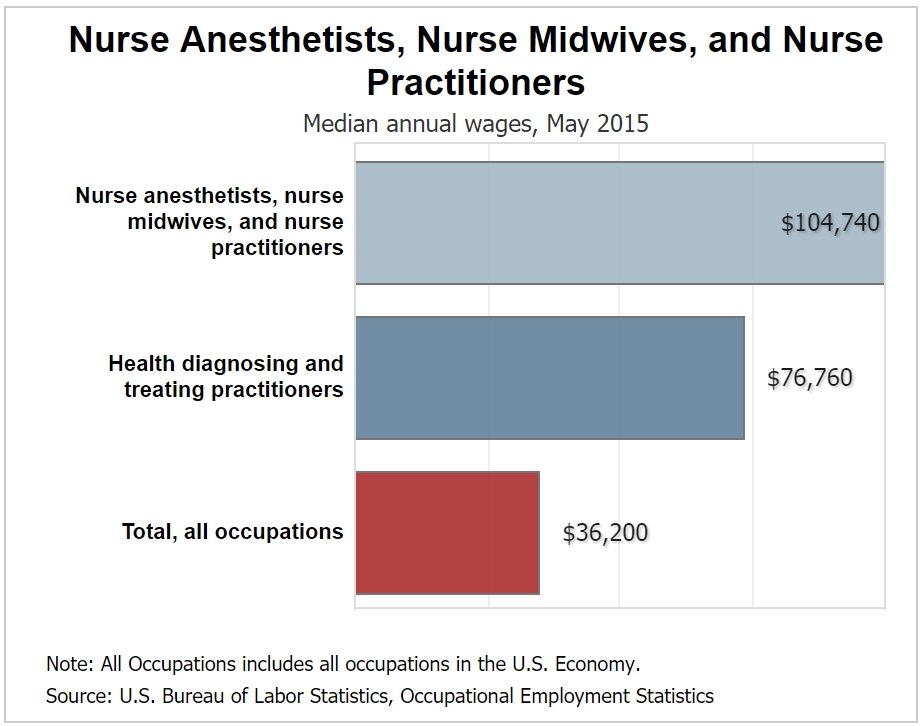
The average salary for a nurse practitioner is around $90,000. RNs receive $65,000 on average, which means they earn less than NPs. This value is lower compared to an NP since an NP goes through more training and education and later earns the right to practice medicine.
[asd_program_button /]Location
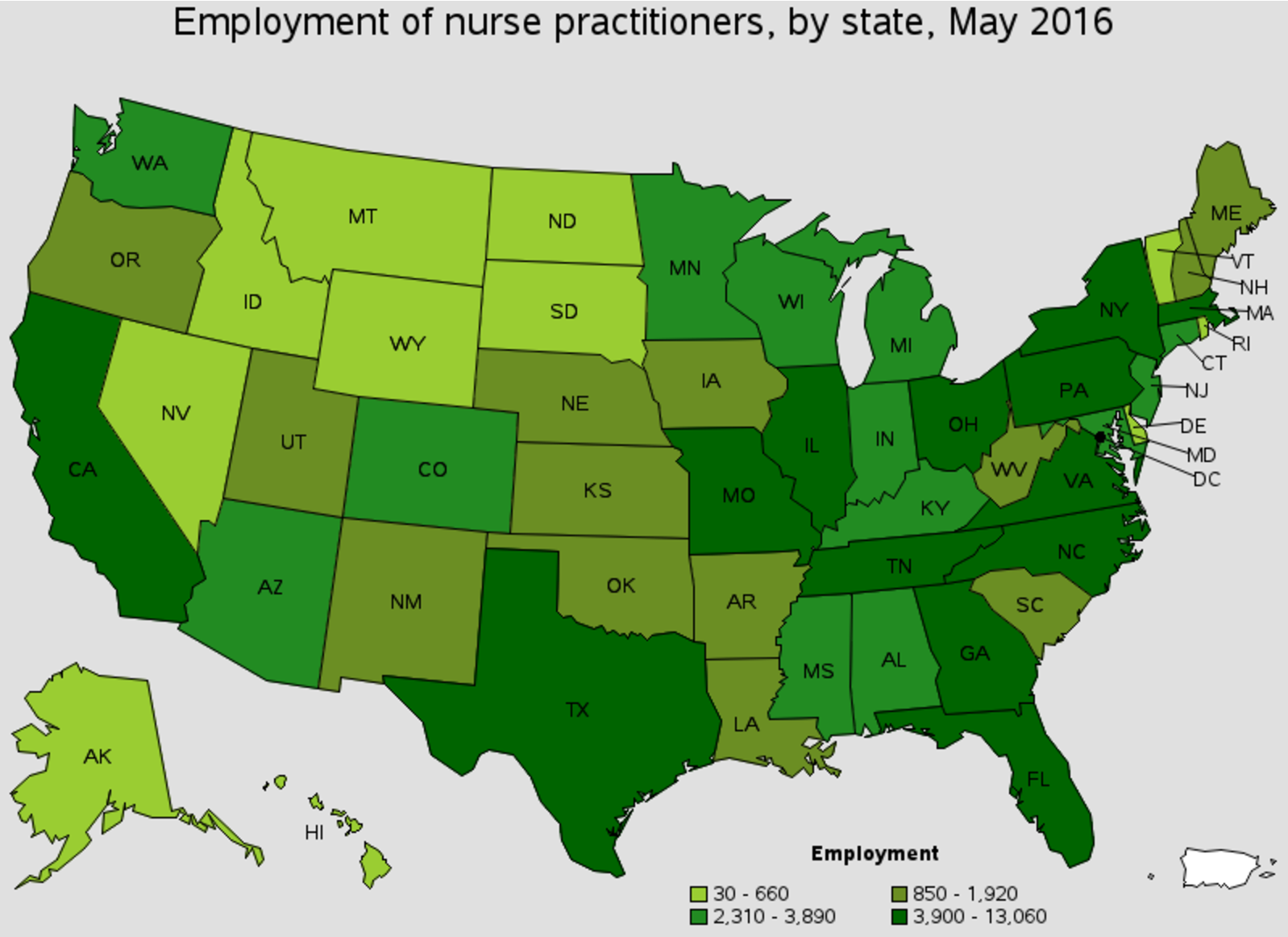
Wherever there is a growing need of NPs, they will be paid more. For instance, Hawaii pays $115,000 annually to NPs, which makes them the highest paying state. This amount is 30% higher than the average national salary. NPs in Delaware receive $67,000.
Experience
Experience is not too much of a factor for salary increase in the field. A 10-15% increase in the salary may be given to those who have been working in the field for more than 20 years.
Skills
Your capacity for work could contribute to your salary increase. Acute care and Emergency room skills will be something that can increase your average salary to up to $99,000. Those who have family care skills can earn up to $92,000. Those who work as geriatrics and internal medicine specialists earn somewhere in between.
Promotions
Getting a specialization or a promotion may be the only way to earn higher. Achieving this may require you to do the following. An option is to earn $150,000 annually by becoming a Nurse Practitioner Anesthetist. Another is by becoming an Advanced Registered Nurse Practitioner, who earns slightly more than the regular NP. Other alternatives are to become a Family, Pediatric NP, Psychiatrist NP, or an Adult NP. You could also increase your salary with other specializations after doing the procedures. In order to achieve these things, you will need to undergo a number of training sessions and acquire additional certification.
Incentives
There are several benefits that an NP could gain. These include paid vacations, retirement planning and health insurance. They are often reimbursed for any further studies that they may wish to undertake to improve themselves. If there are conventions or seminars, they are given registration fees and some allowances.
With the shortage of primary health care personnel, the job outlook of mid-level health care practitioners is supposed to be on the rise. There is a high possibility that Nurse Practitioners will receive higher salaries later on. There are also more time for NPs to choose the type of cases they wish to do.

Job Prospects of Prairie View Nurse Practitioners
The United States of America needed 170,000 nurse practitioners in 2014. Over the next decade, the BLS expects approximately 31% development in the field. This means that about 57,000 new jobs will come up in that period. The main reason for this is the shortage of medical workers. Doctors and physicians cannot meet the demands of the people. The need for PAs and NPs will keep on increasing in the future. It is estimated that the jobs for Family, Pediatric, Gastroenterology, and Hospitalist NPs will rise by about 11% whereas that of neonatal NPs will rise about 34%. Compared to other jobs, this increase in growth is faster.
[asd_program_button /]The best way to deal with people in the medical field is to use the patient-centered approach, which is a much ideal process than only focusing on the illness. Nurses perform these tasks, that’s why they are needed. NPs are more sought for than PAs for this reason.
Rustic areas have a continuous need for better healthcare. It is not possible to set up the infrastructure in such areas and thus NPs are the source of primary health care. These medical practitioners may ask help from other physicians to cater to the patients in the area. NPs could apply in Office of Physicians, Outpatient Care Centers, and General Hospitals.
Specialized health care demands are rapidly increasing. Pediatrics, gerontology, acute care and other specializations are usually practiced by nurse practitioners. When the patient’s illness is within their scope of specialty, they can diagnose it more accurately.
The educational field is also in need of nurses. Teachers of nurses and other medical professionals are needed due to the lack of people honing the skills of the future medical practitioners. Getting a Ph.D. is a requisite for a nurse practitioners to be able to teach. People generally go into consulting or teaching after a certain age. So this is the perfect option for NPs who feel that they are now not fit enough to handle the stresses that come with the medical field.
There are many good news when it comes to the financial aspect of the nurse practitioner careers. In 2020, the 19% salary increase is most likely provided to nurse practitioners. In the field of teaching, nurse practitioners may get as much as $85,000. This can go up to $175,000 a year easily with experience. The specialization of a nurse determines the amount of salary he or she earns. Those specializing as nurse anesthetists may receive a salary between $150,000 to $235,000.
Each career’s status and salary rate may differ in each state. For more statistics and data on the job outlook of NPs, you can visit Bureau of Labor Statistics. Obviously, it is a career that is challenging and highly accredited, as well.

Career Requirements For Nurse Practitioners In Prairie View
Becoming a Registered Nurse
The first step is to become a registered nurse. Earning a bachelor’s or an associate’s degree is needed to become one. Another way is earning a diploma. Although, some papers may not be useful because medical experience weighs more. Experience during the bachelor’s or an associate’s degree internship contributes to this requirement. Taking and passing the standardized national exam for RNs is your next step so you can work officially. You could also try to take a different path and become a Licensed Practical Nurse first.
[asd_program_button /]Completing Bachelor’s Degree
Earning a bachelor’s degree is the next thing to do. This is mostly for people who had earlier applied for a diploma or an associate’s degree. A Bachelor of Science in Nursing (BSN) is required. This will not only give you a more in-depth education in the medical world, but it will make you undergo a lot of clinical rounds. One’s experience in the field contributes a lot to the career of a medical professional. You may already have a bachelor’s degree while you were pursuing a career as Registered Nurse. Such cases can be addressed through the bride programs offered by RN-BSN. The program has different time schedules. If you have a part-time work, the period of the study may take longer. There are also bridge courses from LPN-BSN.
Period of Experience
The medical field treats experience as a great factor. Earning your master’s degree right after your bachelor’s degree may be the ideal process to follow to become an NP. Some nurses who have been working for a long time feel that this process is somehow lacking when it comes to real life applications. Before earning a graduate degree, they recommend more training. Most graduate degrees require a certain amount of experience before the student could be admitted. This training teaches you how to work with a team of medical professionals, how to work efficiently, how to tend to different patients and how to treat a variety of infections.
Getting Your Master’s Degree
A requisite of becoming a Nurse Practitioner is one’s Master of Science in Nursing (MSN) degree. RNs having diploma or an associate’s degree are usually accepted in most programs. Students who want to be enrolled in other programs needs to have a bachelor’s degree. It doesn’t matter which one you go for, you will be trained for knowledge and application in real settings. While studying to earn the NP title, RNs mostly need to undergo long hours of training. Alternatively, you could get a Doctor of Nursing Practice (DNP) degree.
[asd_program_search_bar /]Doctorate (optional)
The Ph.D. title follows after the master’s degree and in this program, one can opt for the specialization that best fits him/her. Reaching this far will potentially increase your earnings and also your reputation as a medical professional. Others choose family care, gerontology or health systems as their field of specialization.
State License and Certification
It is mandatory for an aspiring NP to get licensed by the state. Requirements for licensing may vary in every state. Some only accept those whose bachelor degrees fall under their list of accepted programs. Passing the state licensure exam, RN license, and a master’s degree are the requirements in becoming a nurse practitioner. The licensure exam differs depending on the specialization you are choosing. You can pass your application and requirements in any establishments under the American Nurses Association such as the Pediatric Nursing Certification Board.
In summary, becoming a registered nurse requires you an associate’s degree or a diploma. Then, you need to earn a bachelor’s degree, which will expose you to real life medical situations. Then, you choose the best specialization and earn your license after finishing your master’s degree.
What Work Is Done by A Prairie View Nurse Practitioner?
General duties
A nurse practitioner usually works under the supervision of a physician or someone of the same level. They can diagnose and treat patients like a primary healthcare provider. If patients need to undergo medical tests and other proceedings, they can are also allowed to conduct them. After the results are out, they can interpret and discuss them with the patient. Sometimes, they are also allowed to assist a physician in surgery whether as the surgeon or an anesthetist. They could even perform risky operations.
[asd_program_button /]A more patient-centered treatment approach is done by nurse practitioners. This means that they focus more on the patients’ needs and wants while treating them. Most usual advises include prevention because they want to keep their patients away from diseases before they occur. Thus, a huge role of NPs is to consult patients on how to prevent injuries and illnesses.
Before the licensure exam, a nurse practitioner is generally required to complete a specialization program. There are specific duties by NPs on the field, which is why they need this. The following are the works most of them choose.
NPs Specializing in Families
One of the patient of these NPs is a whole family. Through the assistance of NPs, the whole family can avoid illnesses together, and any disease no matter how how old the patient is could be treated. Working with other physicians is also common when taking care of families.
NPs Specializing in Psychiatry
Psychiatric nurse practitioners work with a group of people who have mental issues. They can practice as therapists and sometimes prescribe appropriate medicine. However, they are not allowed to perform psychological testing. They can choose to look at the results from the testing and then work with a professional psychologist or psychiatrist to determine a treatment plan for the patient.
NPs Practicing Pediatrics
As the name suggests, pediatric NPs look after kids of all ages – from newborn babies to 18-year old kids. The neonatal NP belongs to this specialization. This is the work of the nurses you find in Neonatal Intensive Care Units (NICUs). Another work of pediatric NPs is helping kids have a smooth journey through puberty. They are also responsible for immunizations.
NPs in Gerontology
Those specializing as nurse practitioners in gerontology will be dealing with medical problems of elderlies. Illnesses are treated and prevented with the help of these practitioners by giving their patients some advice. Old people are more prone to different diseases. These healthcare experts will help reduce the risks of other diseases. Most patients who could only live for a certain period are kept healthy by these professionals using fitness programs.
These are just some of the specializations of a nurse practitioner. Some NPs may specialize in other fields that interest them. Each of these specializations offers a different amount of salary. The Certified Registered Nurse Anesthetis (CRNA) is included in the list of highest paid specializations . Now that you know the different roles that your job may entail, you can make an informed decision about your career choice.
[asd_program_prefilter_box /]